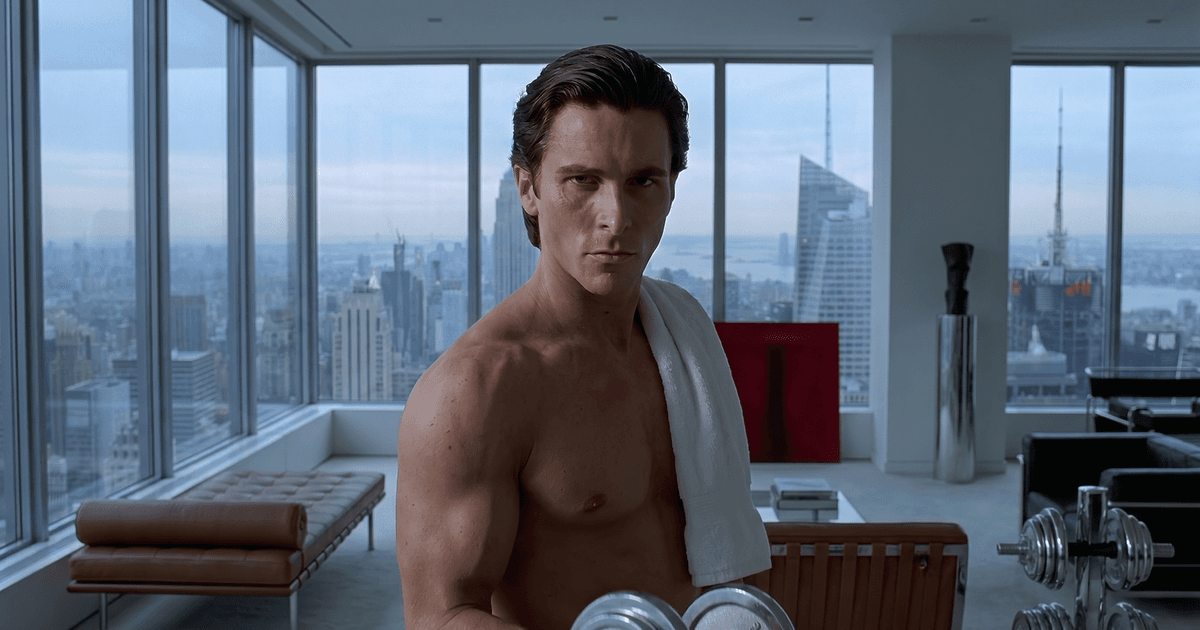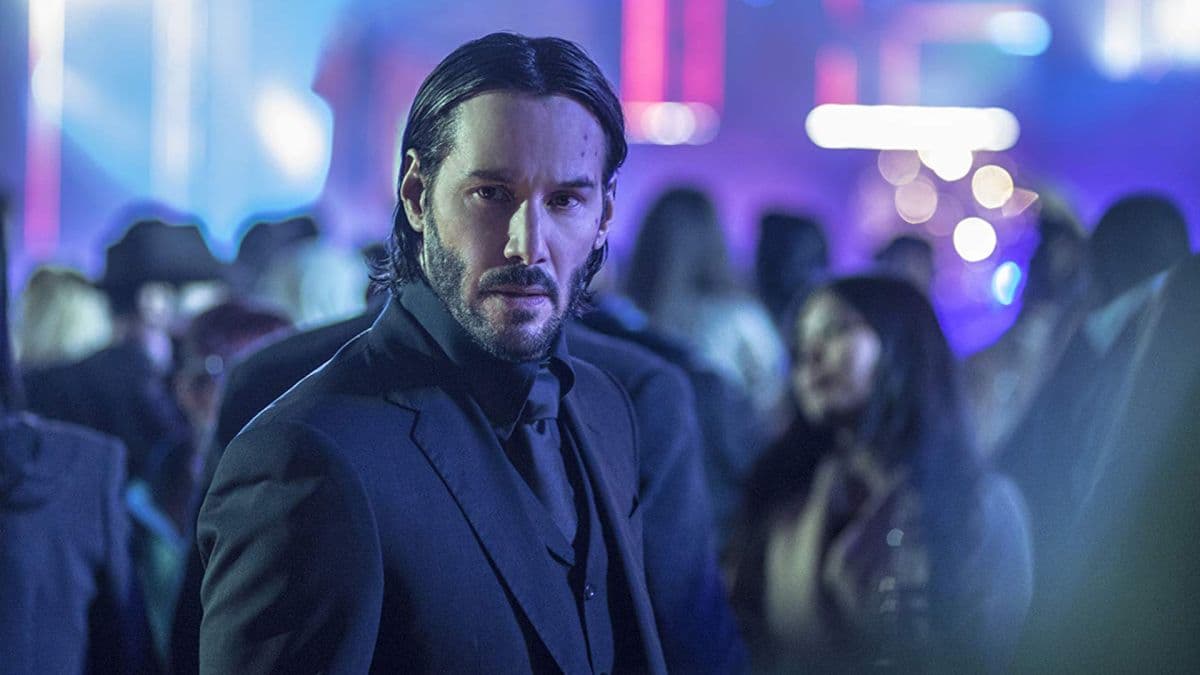

Keanu Reeves is 6'1" (185 cm) and weighs around 175 lbs (79 kg). He was 49 when the first John Wick hit theaters in 2014 and has filmed three sequels while pushing into his late 50s. The role demands he perform 90% of his own stunts, and his training reflects that.
John Wick's fighting style blends Brazilian Jiu-Jitsu, Judo, tactical shooting (3-gun), and Japanese Ju-Jitsu. The workout prioritizes functional strength, explosive power, and endurance for continuous fight sequences that run eight minutes or longer without a cut.

Training philosophy
John Wick training builds strength and agility for complex fight choreography alongside tactical gun handling. Reeves spent months with firearms instructors at Taran Tactical, BJJ coaches, and stunt coordinator Chad Stahelski before each shoot.
During production, Reeves trained 4-5 hours daily. Morning sessions covered strength work while afternoons focused on martial arts drilling and weapons practice. Core strength and hip mobility anchor the program since both affect shooting stance stability and ground fighting.
Keanu's documented training
Before John Wick: Chapter 2, Reeves trained at 87Eleven Action Design (Stahelski's stunt company) five days a week for four months. Firearms training happened at Taran Tactical in Simi Valley, where owner Taran Butler filmed Reeves running 3-gun courses that went viral on YouTube.
For Chapter 4, Reeves was 57. He trained in Paris and Berlin alongside the stunt team, learning the "fallen angel" stair sequence at Sacré-Cœur. That sequence required him to fall down 222 steps multiple times while maintaining fight choreography, demanding impact conditioning and mental resilience.
The Red Circle: what gun-fu demands from your body

The Red Circle nightclub sequence in the first John Wick runs over four minutes and showcases the "gun-fu" style that defines the franchise. Wick moves through three levels of the club, transitioning seamlessly between grappling, striking, and precision shooting.
Watch his movement in the bathhouse level. He grabs an attacker, uses him as a shield while firing at two others, then breaks the grapple and shoots the human shield at contact distance. That transition from clinch to firearm happens in under two seconds. Building that coordination requires the BJJ drills from Day 1 combined with shooting stance work. Your hips need to rotate fluidly between fighting posture and shooting stance without conscious thought.
The dance floor fight shows another demand: shooting from compromised positions. Wick takes a throw, lands on his back, fires upward, then rolls to his feet. Turkish get-ups from Day 2 train exactly this capacity: generating force and maintaining control while transitioning from ground to standing.
Day 1: Combat conditioning
- Dynamic warm-up: 20 minutes
- Circuit training (3 rounds):
- Pull-ups: 8-10 reps
- Push-ups: 20 reps
- Bodyweight squats: 25 reps
- Mountain climbers: 30 seconds
- Brazilian Jiu-Jitsu drills: 45 minutes
- Combat endurance work: 20 minutes
- Flexibility training: 15 minutes
Day 2: Strength focus

- Mobility warm-up: 15 minutes
- Compound lifts:
- Deadlifts: 4 sets of 6-8 reps
- Bench press: 4 sets of 8-10 reps
- Front squats: 4 sets of 8-10 reps
- Functional training:
- Kettlebell swings: 3 sets of 15
- Turkish get-ups: 3 sets of 5 each side
- Weighted pull-ups: 3 sets of 6-8
- Core work: 20 minutes
Day 3: Tactical training
- Movement prep: 15 minutes
- Shooting stance drills: 30 minutes
- Explosive movement circuit (3 rounds):
- Box jumps: 10 reps
- Medicine ball slams: 15 reps
- Sprints: 30 yards
- Martial arts training: 45 minutes
- Recovery work: 20 minutes
Day 4: Power and speed
- Dynamic stretching: 15 minutes
- Power development:
- Clean and press: 4 sets of 5
- Box jumps: 4 sets of 6
- Medicine ball throws: 4 sets of 8
- Speed work:
- Sprint intervals: 10 x 20 yards
- Agility ladder drills
- Direction change drills
- Conditioning finisher: 15 minutes
Rest and recovery
Training at this intensity requires structured recovery:
- Two full rest days per week
- Daily mobility work
- Regular massage therapy
- 8-9 hours of sleep
- Consistent hydration
Nutrition
Maintaining the physical demands of this program requires consistent nutrition:
- High protein intake: 1.5-2g per kg of body weight
- Complex carbohydrates for sustained energy
- Healthy fats for hormone regulation
- Vegetables for micronutrients
- At least 1 gallon of water daily
Adapting this routine
You don't need to train like you're preparing for an action film, but elements of this program transfer well:
- Focus on functional movements over isolation exercises
- Add martial arts or combat sports for practical fitness
- Prioritize mobility and recovery work
- Keep nutrition and sleep consistent
This routine represents years of progressive training with professional guidance. Start with modifications that match your current fitness level and build intensity over time.