Andrew Huberman's Daily Routine
Dr. Andrew Huberman's science-backed daily routine has helped thousands achieve peak mental and physical performance through precise timing of light exposure, exercise, and focused work.
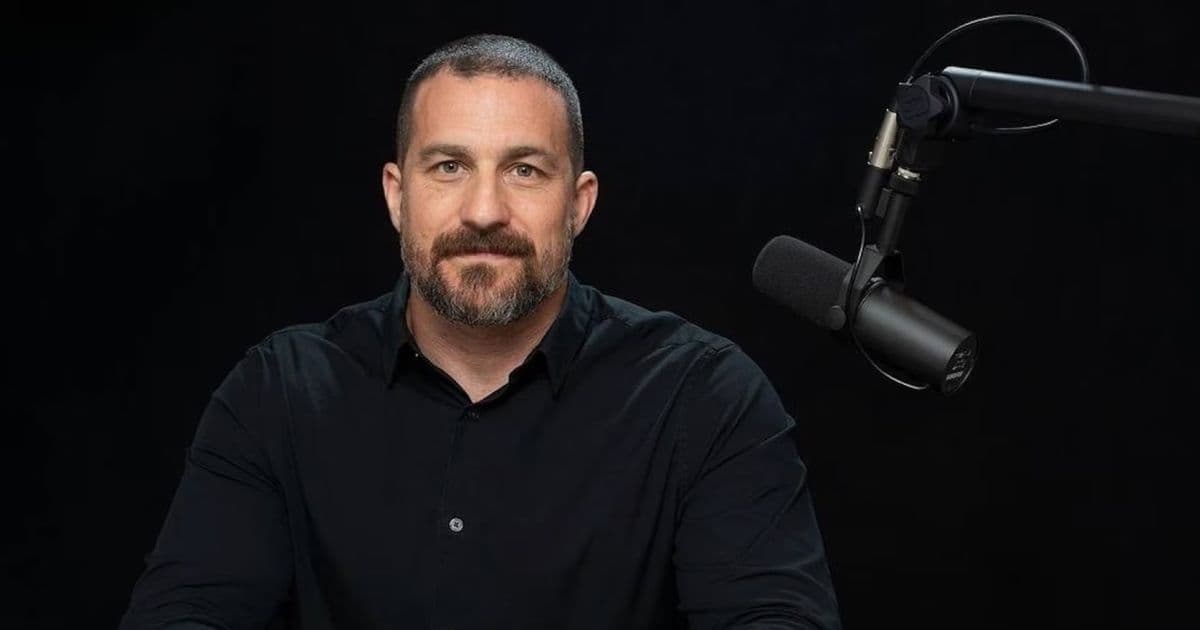

Dr. Andrew Huberman is a tenured professor of neurobiology at Stanford University School of Medicine who's spent his career studying how brains and nervous systems function. Standing 6'1" with a lean, athletic build well into his 40s, Huberman practices what he teaches about the connection between physical fitness and cognitive performance.
Every element of his day is structured around circadian rhythms and peer-reviewed research. Here's the full breakdown.
The Huberman daily protocol
Morning routine (5:00 AM - 9:00 AM)

5:00 AM - Rise and light exposure
- Wakes up consistently between 5:00-5:30 AM
- Immediately gets outside for 5-10 minutes of direct sunlight exposure
- Views morning light at a 30-45 degree angle (not directly at the sun)
- No sunglasses during this time to maximize beneficial light exposure
5:30 AM - Morning hydration
- 24-32 oz of water with added minerals
- 1/4 tsp pink Himalayan salt
- Optional: Athletic Greens supplement
6:00 AM - Movement protocol
- 60-90 minutes of exercise, typically including:
- Weight training (3-4 days per week)
- Zone 2 cardio (2-3 days per week)
- No music during exercise to maintain neural focus
Mid-morning (9:00 AM - 12:00 PM)
Deep work sessions
- 90-minute focused work blocks
- Uses the Huberman Focus Toolkit:
- Visual focus on a fixed point
- Physiological sighs for stress management
- Strategic caffeine timing (usually around 9:00 AM)
Nutrition
- First meal typically around 11:00 AM
- High protein (40-50g)
- Moderate healthy fats
- Complex carbohydrates based on activity level
Afternoon (12:00 PM - 5:00 PM)

12:00 PM - 3:00 PM: Peak performance window
- Schedules most demanding cognitive tasks
- Podcast recordings
- Research work
- Teaching responsibilities
3:00 PM - Temperature work
- Cold exposure (2-3 minutes at 55F/13C)
- Or heat exposure (15-20 minutes sauna session)
- Never both on the same day
Evening routine (5:00 PM - 9:00 PM)
5:00 PM - Second training session (optional)
- Light movement or yoga
- Walking meetings
- Avoids intense exercise after 6:00 PM
7:00 PM - Wind down protocol
- Dims all lights
- Blue light blocking glasses if using screens
- Drops temperature in living space
- No caffeine after 2:00 PM
8:30 PM - Sleep preparation
- Complete darkness in sleeping area
- Temperature between 65-68F (18-20C)
- No phone use in bed
- Reading or light stretching only
Nutrition and supplementation
Huberman follows a time-restricted feeding window, typically eating between 11:00 AM and 8:00 PM. His diet centers on:
- High-quality proteins (1g per pound of body weight)
- Abundant vegetables and leafy greens
- Strategic carbohydrate timing around workouts
- Essential fatty acids from fish, nuts, and olive oil
Key supplements:
- Athletic Greens (morning)
- Omega-3s (2-3g EPA/DHA daily)
- Vitamin D3 (2000-5000 IU based on blood work)
- Magnesium (300-400mg before bed)
- Alpha-GPC (300mg on workout days)
How Huberman's routine has changed over time

If you've followed Huberman's podcast since its launch in January 2021, you've watched his protocols shift significantly. The original morning routine called for 2-10 minutes of sunlight, but by episode 68 he'd tightened the recommendation to a hard minimum of 10 minutes on overcast days and specified that cloud cover requires 2-3x longer exposure than clear skies.
His caffeine guidance evolved too. Early episodes suggested delaying caffeine 90-120 minutes after waking to avoid an afternoon cortisol crash. By 2023, Huberman walked this back on the Lex Fridman podcast, admitting he sometimes drinks yerba mate within 30 minutes of waking and that the 90-minute rule matters most for people who experience afternoon energy dips.
The cold exposure protocol saw the biggest revision. Huberman initially recommended cold showers at any time of day. After publishing research with Dr. Craig Heller at Stanford on glabrous skin cooling, he started emphasizing that cold exposure before noon amplifies the dopamine and norepinephrine response by up to 200-300% (based on a 2000 European Journal of Applied Physiology study he frequently cites). He also dropped his recommended duration from 11 minutes per week down to deliberate cold exposure of 1-3 minutes at genuinely uncomfortable temperatures, favoring intensity over total time.
His supplement stack has contracted too. He quietly stopped mentioning Alpha-GPC as frequently after listener reports of headaches and TMJ issues, and his magnesium recommendation narrowed from generic "magnesium" to specifically magnesium threonate (Magtein) or bisglycinate for sleep, noting that magnesium oxide has poor bioavailability.
Where experts push back

Huberman's protocols generate real debate in the scientific and medical communities.
The morning sunlight claim draws the most scrutiny. Dr. Russell Foster, head of the Sleep and Circadian Neuroscience Institute at Oxford, has argued that while light exposure matters for circadian entrainment, the specific timing window Huberman emphasizes (within the first hour of waking) lacks robust clinical trial data to justify such precise prescriptions. Indoor lighting above 10,000 lux, like a standard SAD therapy lamp, achieves the same retinal stimulation as outdoor light.
The NSDR (Non-Sleep Deep Rest) protocols Huberman popularized, essentially yoga nidra rebranded, have support for stress reduction but weaker evidence for the specific dopamine replenishment claims he's made. Dr. Matthew Walker, his Berkeley colleague and author of "Why We Sleep," has noted that while NSDR shows promise, the neurochemical mechanisms Huberman describes are extrapolated from meditation research that used different protocols and measured different outcomes.
His cold exposure numbers also face scrutiny. The 200-300% dopamine increase he cites comes from a single 2000 study with six participants immersed in 57F water for one hour. Huberman's recommendation of 1-3 minutes at similar temperatures hasn't been replicated at that duration, and exercise physiologist Dr. Andy Galpin (who's appeared on Huberman's podcast multiple times) has cautioned that individual responses to cold vary so dramatically that percentage-based claims can mislead.
On supplements, registered dietitians like Examine.com's Kamal Patel have pointed out that Huberman's stack costs $300-400/month and that most healthy adults eating a varied diet get adequate micronutrients without supplementation. The Athletic Greens sponsorship, which Huberman has held since early episodes, also raises questions about whether the recommendation is evidence-driven or commercially motivated.
None of this invalidates Huberman's core framework. The circadian rhythm principles, the emphasis on consistent sleep timing, and the value of morning exercise all have strong research behind them. The criticism tends to focus on the precision of his claims and whether the specific protocols he recommends have been tested as rigorously as his presentation implies.
Making it work for you
Start with the foundational habits that have the strongest evidence:
- Morning sunlight exposure (or a 10,000 lux light if you wake before dawn)
- Consistent wake time, even on weekends
- Strategic light management in the evening
- A cool, dark sleep environment
Add one new element every two weeks. Track how you feel. Huberman himself has said on multiple episodes that individual variation means you should treat his protocols as starting points and adjust based on your own response.
The 80% rule applies here. Following the core principles most days produces better results than attempting perfect adherence and burning out after two weeks.